-
×
 Insurtech Business Models
1 × $29
Insurtech Business Models
1 × $29 -
×
Business Model Metrics and KPIs
1 × $29
-
×
The Perfect Business Plan
1 × $29
-
×
Cost Models
1 × $29
-
×
Web 3.0 Business Models
1 × $29
-
×
Super Guides Bundle
1 × $97
-
×
LinkedIn Strategies
1 × $19
-
×
Pricing Strategies for Digital Products
1 × $24
-
×
Digital Marketing Agency Management
1 × $24
-
×
Company Vision Statements
1 × $24
-
×
Marketing Automation
1 × $29
-
×
Lead Generation
1 × $29
-
×
Sales Enablement
1 × $29
-
×
Pricing Strategies for Retailers
1 × $29
-
×
Customer Journey
1 × $29
-
×
Cognitive Biases
1 × $29
-
×
OKR Essentials
1 × $29
-
×
Pricing Strategies for Service Providers
1 × $29
-
×
10 Most Profitable Business Models in 2023
1 × $29
-
×
Project Management Frameworks
1 × $29
-
×
Startup Funding Strategies
1 × $29
-
×
Top 100 Venture Capital Firms
1 × $29
-
×
Negotiation Strategies and Techniques
1 × $29
-
×
Hotel Business Models
1 × $29
-
×
Pricing Strategies for SaaS
1 × $29
-
×
Growth Hacking Techniques
1 × $29
-
×
Business Model Evolution
1 × $29
-
×
Business Model Assessment
1 × $29
-
×
Consulting Business Models
1 × $29
-
×
Fintech Business Models
1 × $29
-
×
170+ Business Model Canvas Examples
1 × $0
-
×
Business Model Innovation with ChatGPT
1 × $119
-
×
10 Innovative Business Models for Childcare and Early Education
1 × $49
-
×
10 Innovative Business Models for Waste Management and Recycling
1 × $49
-
×
10 Innovative Business Models for Personal Finance and Wealth Management
1 × $49
-
×
10 Innovative Business Models for Subscription Products & Services
1 × $49
-
×
10 Innovative Business Models for Space Technology and Services
1 × $49
-
×
10 Innovative Business Models for Educational Tech Startups
1 × $49
-
×
10 Innovative Business Models for Urban Farming
1 × $49
-
×
10 Innovative Business Models for Flower Shops
1 × $49
-
×
10 Innovative Business Models for Coffee Shops
1 × $49
-
×
10 Innovative Business Models for Jewelry Stores
1 × $49
-
×
10 Innovative Business Models for 3D Printing Services
1 × $49
-
×
10 Innovative Business Models for Sustainable Fashion
1 × $49
-
×
10 Innovative Business Models for Yoga Studios
1 × $49
-
×
10 Innovative Business Models for Plant-Based Foods and Alternatives
1 × $49
-
×
10 Innovative Business Models for Bookstores
1 × $49
-
×
10 Innovative Business Models for Mobile App Development
1 × $49
-
×
10 Innovative Business Models for Elder Care Services
1 × $49
-
×
10 Innovative Business Models for Biotechnology
1 × $49
-
×
10 Innovative Business Models for Renewable Energy Solutions
1 × $49
-
×
10 Innovative Business Models for Smart Home Technology
1 × $49
-
×
10 Innovative Business Models for eSports and Gaming
1 × $49
-
×
10 Innovative Business Models for Drone Technology and Services
1 × $49
-
×
Business Model Canvas SWOT Analysis Assesment Excel Spreadsheet
1 × $97
 Insurtech Business Models
  Business Model Metrics and KPIs
  The Perfect Business Plan
  Cost Models
  Web 3.0 Business Models
  Super Guides Bundle
  LinkedIn Strategies
  Pricing Strategies for Digital Products
  Digital Marketing Agency Management
  Company Vision Statements
  Marketing Automation
  Lead Generation
  Sales Enablement
  Pricing Strategies for Retailers
  Customer Journey
  Cognitive Biases
  OKR Essentials
  Pricing Strategies for Service Providers
  10 Most Profitable Business Models in 2023
  Project Management Frameworks
  Startup Funding Strategies
  Top 100 Venture Capital Firms
  Negotiation Strategies and Techniques
  Hotel Business Models
  Pricing Strategies for SaaS
  Growth Hacking Techniques
  Business Model Evolution
  Business Model Assessment
  Consulting Business Models
  Fintech Business Models
 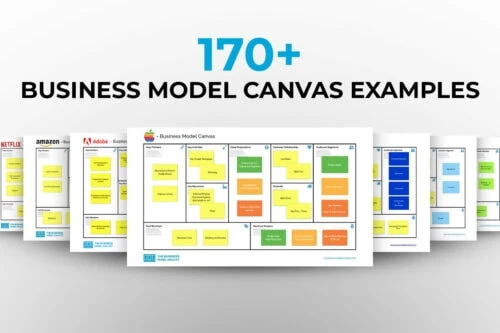 170+ Business Model Canvas Examples
  Business Model Innovation with ChatGPT
  10 Innovative Business Models for Childcare and Early Education
  10 Innovative Business Models for Waste Management and Recycling
  10 Innovative Business Models for Personal Finance and Wealth Management
  10 Innovative Business Models for Subscription Products & Services
  10 Innovative Business Models for Space Technology and Services
  10 Innovative Business Models for Educational Tech Startups
  10 Innovative Business Models for Urban Farming
  10 Innovative Business Models for Flower Shops
  10 Innovative Business Models for Coffee Shops
  10 Innovative Business Models for Jewelry Stores
  10 Innovative Business Models for 3D Printing Services
  10 Innovative Business Models for Sustainable Fashion
  10 Innovative Business Models for Yoga Studios
  10 Innovative Business Models for Plant-Based Foods and Alternatives
  10 Innovative Business Models for Bookstores
  10 Innovative Business Models for Mobile App Development
  10 Innovative Business Models for Elder Care Services
  10 Innovative Business Models for Biotechnology
  10 Innovative Business Models for Renewable Energy Solutions
  10 Innovative Business Models for Smart Home Technology
  10 Innovative Business Models for eSports and Gaming
  10 Innovative Business Models for Drone Technology and Services
 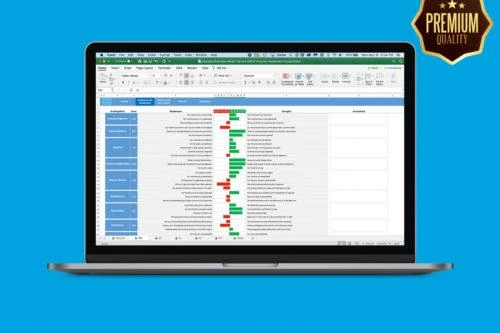 Business Model Canvas SWOT Analysis Assesment Excel Spreadsheet
 Why should you consider adopting crypto tech in your business model?
Perhaps all that your mind jumps to when you hear mentions of crypto are Bitcoin price charts and wild market swings. But crypto is beyond the speculative investing that most people know it for. It’s quickly changing how businesses think about payments, transparency, and even how they build trust with customers.
You may want to consider XRP, for instance. Originally built for payments, this digital asset can, surprisingly, help organizations complete transactions within 3-5 seconds. And besides improving transaction speed, it also allows companies to slash fees and improve liquidity. Considering these benefits, it shouldn’t be shocking that Acropolium thinks 81% of the largest public companies globally use blockchain technology.
Remember, the business world has become super competitive, and to stay ahead, you must be innovative. That’s why you may want to take advantage of contemporary technologies like crypto to stay ahead. And if you’re wondering whether you should actually consider crypto, staying around will help.
Everyone wants instant payments
A recent article by FinTech Global noted that the instant payment markets could grow by 161%, expanding from $22 trillion in 2024 to more than $58 trillion by 2028. As if that’s not enough, the Federal Reserve recently reported that 86% of businesses and 74% of consumers used fast and instant payments, further highlighting how popular these payment methods have become.
As a forward-thinking brand, you don’t want to remain indifferent to such trends. This explains why many businesses are adopting crypto payments to cater to the prevailing need for quick payment methods. Crypto improves the speed of transactions by eliminating the need for traditional intermediaries and lengthy clearance times.
At a time when customers are seeking easy payment experiences, implementing crypto can be handy. After all, no one wants their funds delayed, particularly now that technology has advanced. According to Testlio, about seven in ten users expect payments to be processed within less than two seconds. Any delays can cause conversion rates to drop by as much as 20%.
And since 80% of consumers consider smooth payment processes more important than any other e-commerce feature, you want to take advantage of digital currencies to stay ahead. This may lead to improved customer satisfaction and loyalty, which may lead to better business performance.
Improve customer confidence with better security
With the number of cyberattacks increasing, almost everyone is paying attention to cybersecurity. Just recently, Exploding Topics released a report claiming that over 940,000 attacks happen daily. With this figure likely to increase, you definitely do not want to downplay online security, even for a second.
Cyberattacks can be detrimental to a business and even cost its survival. PCI Pal did a study along these lines and found that it may take several months for about 83% of customers to transact with you again in the immediate aftermath of security breaches. Worse still, 21% may never return to your brand after such incidents.
Besides losing customers, you may need a lot of money to get back on your feet. IBM approximates this to be about $4.88 million. This is why you want to be intentional with your cybersecurity efforts. Thankfully, crypto’s blockchain infrastructure can help.
By distributing data across a network, blockchain models reduce reliance on a central authority, making your business models resistant to single-point-of-failure attacks. And once a transaction is recorded in a block and linked to the chain, it becomes difficult to change or delete.
This immutability ensures data integrity and provides an auditable record of transactions, which can be helpful when evidence is needed. Don’t also forget that blockchain relies heavily on cryptography to secure data. Cryptographic hashing creates unique ‘fingerprints’ for each block, linking them together in a secure chain that prevents unauthorized access.
Aligning with changing customer behaviours
Studies claim that the number of crypto owners has reached one billion, or 12.5% of the world’s population. Of this population, a good number may want to use digital currencies for payments. According to eMarketer, owners who use them for payments are expected to increase from 14.2% in 2024 to 20% in 2026.
You may also be surprised to learn that, according to PYMNTs.com, about 29% of consumers will likely transact with crypto, whether they own it or not. To improve your relevance to this audience, you may want to implement cryptocurrency payment methods. The beauty of it is that you increase the likelihood of making more profits.
Aligning with contemporary shifts, like the increased usage of digital currencies as payment methods, presents your brand as customer-centric, which may lead to stronger customer relationships. This is why institutions like SuperOffice CRM think customer-focused brands are 60% more profitable than non-customer-focused ones. Customer-centricity also shows that you care about user experiences, which may be a plus for your brand reputation.
The business sector is only getting more competitive, so you want to leverage contemporary shifts to distinguish yourself from the crowd. A good place to get started would be integrating digital currencies as payment methods because many people are already using them.
Besides that, digital currencies can help brands like PayPal improve their appeal to security-conscious consumers. Their decentralized and immutable infrastructure improves security by eliminating the possibility of single-point failures and enhancing traceability. Digital currencies are also fast and can be handy in catering to the growing need for instant payments.