-
×
 Insurtech Business Models
1 × $29
Insurtech Business Models
1 × $29 -
×
Business Model Metrics and KPIs
1 × $29
-
×
The Perfect Business Plan
1 × $29
-
×
Cost Models
1 × $29
-
×
Web 3.0 Business Models
1 × $29
-
×
Super Guides Bundle
1 × $97
-
×
LinkedIn Strategies
1 × $19
-
×
Pricing Strategies for Digital Products
1 × $24
-
×
Digital Marketing Agency Management
1 × $24
-
×
Company Vision Statements
1 × $24
-
×
Marketing Automation
1 × $29
-
×
Lead Generation
1 × $29
-
×
Sales Enablement
1 × $29
-
×
Pricing Strategies for Retailers
1 × $29
-
×
Customer Journey
1 × $29
-
×
Cognitive Biases
1 × $29
-
×
OKR Essentials
1 × $29
-
×
Pricing Strategies for Service Providers
1 × $29
-
×
10 Most Profitable Business Models in 2023
1 × $29
-
×
Project Management Frameworks
1 × $29
-
×
Startup Funding Strategies
1 × $29
-
×
Top 100 Venture Capital Firms
1 × $29
-
×
Negotiation Strategies and Techniques
1 × $29
-
×
Hotel Business Models
1 × $29
-
×
Pricing Strategies for SaaS
1 × $29
-
×
Growth Hacking Techniques
1 × $29
-
×
Business Model Evolution
1 × $29
-
×
Business Model Assessment
1 × $29
-
×
Consulting Business Models
1 × $29
-
×
Fintech Business Models
1 × $29
-
×
170+ Business Model Canvas Examples
1 × $0
-
×
Business Model Innovation with ChatGPT
1 × $119
-
×
10 Innovative Business Models for Childcare and Early Education
1 × $49
-
×
10 Innovative Business Models for Waste Management and Recycling
1 × $49
-
×
10 Innovative Business Models for Personal Finance and Wealth Management
1 × $49
-
×
10 Innovative Business Models for Subscription Products & Services
1 × $49
-
×
10 Innovative Business Models for Space Technology and Services
1 × $49
-
×
10 Innovative Business Models for Educational Tech Startups
1 × $49
-
×
10 Innovative Business Models for Urban Farming
1 × $49
-
×
10 Innovative Business Models for Flower Shops
1 × $49
-
×
10 Innovative Business Models for Coffee Shops
1 × $49
-
×
10 Innovative Business Models for Jewelry Stores
1 × $49
-
×
10 Innovative Business Models for 3D Printing Services
1 × $49
-
×
10 Innovative Business Models for Sustainable Fashion
1 × $49
-
×
10 Innovative Business Models for Yoga Studios
1 × $49
-
×
10 Innovative Business Models for Plant-Based Foods and Alternatives
1 × $49
-
×
10 Innovative Business Models for Bookstores
1 × $49
-
×
10 Innovative Business Models for Mobile App Development
1 × $49
-
×
10 Innovative Business Models for Elder Care Services
1 × $49
-
×
10 Innovative Business Models for Biotechnology
1 × $49
-
×
10 Innovative Business Models for Renewable Energy Solutions
1 × $49
-
×
10 Innovative Business Models for Smart Home Technology
1 × $49
-
×
10 Innovative Business Models for eSports and Gaming
1 × $49
-
×
10 Innovative Business Models for Drone Technology and Services
1 × $49
-
×
Business Model Canvas SWOT Analysis Assesment Excel Spreadsheet
1 × $97
 Insurtech Business Models
  Business Model Metrics and KPIs
  The Perfect Business Plan
  Cost Models
  Web 3.0 Business Models
  Super Guides Bundle
  LinkedIn Strategies
  Pricing Strategies for Digital Products
  Digital Marketing Agency Management
  Company Vision Statements
  Marketing Automation
  Lead Generation
  Sales Enablement
  Pricing Strategies for Retailers
  Customer Journey
  Cognitive Biases
  OKR Essentials
  Pricing Strategies for Service Providers
  10 Most Profitable Business Models in 2023
  Project Management Frameworks
  Startup Funding Strategies
  Top 100 Venture Capital Firms
  Negotiation Strategies and Techniques
  Hotel Business Models
  Pricing Strategies for SaaS
  Growth Hacking Techniques
  Business Model Evolution
  Business Model Assessment
  Consulting Business Models
  Fintech Business Models
  170+ Business Model Canvas Examples
  Business Model Innovation with ChatGPT
  10 Innovative Business Models for Childcare and Early Education
  10 Innovative Business Models for Waste Management and Recycling
  10 Innovative Business Models for Personal Finance and Wealth Management
  10 Innovative Business Models for Subscription Products & Services
  10 Innovative Business Models for Space Technology and Services
  10 Innovative Business Models for Educational Tech Startups
  10 Innovative Business Models for Urban Farming
  10 Innovative Business Models for Flower Shops
  10 Innovative Business Models for Coffee Shops
  10 Innovative Business Models for Jewelry Stores
  10 Innovative Business Models for 3D Printing Services
  10 Innovative Business Models for Sustainable Fashion
  10 Innovative Business Models for Yoga Studios
  10 Innovative Business Models for Plant-Based Foods and Alternatives
  10 Innovative Business Models for Bookstores
  10 Innovative Business Models for Mobile App Development
  10 Innovative Business Models for Elder Care Services
  10 Innovative Business Models for Biotechnology
  10 Innovative Business Models for Renewable Energy Solutions
  10 Innovative Business Models for Smart Home Technology
  10 Innovative Business Models for eSports and Gaming
  10 Innovative Business Models for Drone Technology and Services
 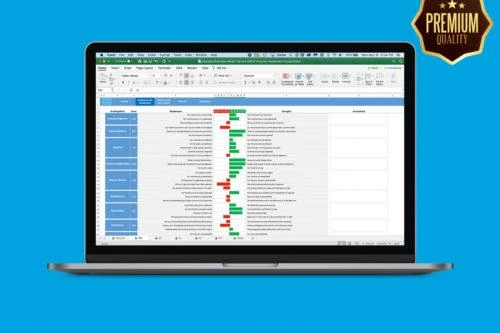 Business Model Canvas SWOT Analysis Assesment Excel Spreadsheet
 Gaming Monetization Beyond Loot Boxes: What’s Actually Working Now
For years, loot boxes were everywhere. Whether you were opening a crate in a first-person shooter or unlocking a mystery chest in a mobile title, the system was simple, and that was: You pay, spin, and hope for the best. That approach has since made gaming companies billions, but it also came with legal scrutiny and player fatigue.
In 2025, the industry seems to have moved on. Today’s monetization strategies are a little more calculated, less chaotic, and built with long-term retention in mind. Across various console, PC, and mobile titles, studios are experimenting with models that offer better clarity, choice, and rewards without the backlash. So what’s actually working now that the loot box has lost its appeal?
Contents
Loot Boxes Haven’t Disappeared, They’ve Just Changed
Loot boxes didn’t appear out of nowhere. Many of their design elements, such as random outcomes and intermittent rewards, are techniques long used in casino games. Casinos continue to offer chance-based outcomes as their main feature. Games like slots, roulette, and crash gambling titles such as Aviator are entirely chance-driven and don’t require any skill (source: https://casinobeats.com/online-casinos/real-money-slots/).
Loot boxes haven’t disappeared either. They still appear in many mobile games and select free‑to‑play console and PC titles. Some developers now only let players earn them through regular gameplay, as seen in Overwatch 2, where direct purchases have been removed. In regions like South Korea, China, and parts of Europe, developers are required to disclose drop rates. While far less dominant than before, loot boxes continue to be part of the monetization toolkit, just more carefully regulated and less aggressively sold.
Battle Passes Are Still Holding Strong
When loot boxes began falling out of favor, battle passes took over as the default. They offered a simple alternative, which includes fixed rewards, tiered progression, and a much clearer finish line. Games like Fortnite, Apex Legends, and Call of Duty successfully use this model.
Players liked knowing what they were getting. Studios liked the predictable revenue. The format also encouraged regular logins and season-long engagement. But by 2025, the system isn’t immune to criticism. Some players feel overwhelmed by too many passes across different games. Others feel pressured by timers and limited-time unlocks.
The bottom line is that the battle pass isn’t going away anytime soon. It remains a low-risk way to offer value and drive commitment. Some developers are now experimenting with flexible progression windows or subscription-like passes that auto-renew each season.
Direct Cosmetic Purchases Still Work, Only If They’re Worth It
Selling skins, emotes, or weapon wraps remains one of the most dependable ways to earn money without upsetting players. These items don’t really affect performance since they are purely visual. But that is what makes them safer from a fairness standpoint, and in competitive games, players take pride in their “online appearance”.
The trick here for many developers is making them feel worth buying. Gamers are more selective in 2025. Some skins with poor designs or a lazy recoloring at a premium price will be ignored, or worse, ridiculed.
What is working, though, are high-quality designs, limited-time collaborations, and real-world brand tie-ins. When Valorant drops a bundle with striking or sleek visuals and original animations, players respond positively. It’s very similar to partnerships with sports brands, music artists, or franchises that give cosmetic drops a broader appeal without relying on chance mechanics.
Subscription Models Are Expanding the Playing Field
It all started with Xbox Game Pass. Now, nearly every platform has some version of a subscription library. These models charge a flat monthly fee in exchange for access to a rotating catalog of games.
For developers, this can be a lifeline, especially for the smaller studios that get a cut for inclusion. For players, it removes the barrier to entry. Trying out a new release is as simple as downloading it.
However, the revenue trade-off is real. Some developers say subscriptions pay less in the long run compared to direct sales. Others argue it’s better than getting lost in the digital storefront entirely.
Either way, subscription models are pushing studios to focus on quality, not just volume. If a game doesn’t keep users engaged, it risks getting buried or removed. That kind of pressure is changing how titles are developed and maintained.
In-Game Currencies Still Power the Machine
The multi-layered currency system isn’t new, but it’s still very effective. Players earn one type of coin through gameplay, another through events, and a third by paying real money. These tokens unlock skins, upgrades, or premium content.
The benefit for developers is relatively obvious since it softens the transaction. Buying items like credits, for instance, doesn’t really feel like you are spending cash, even if that’s exactly what’s happening.
What’s changed is the presentation. More games are being far more transparent about what each currency does, and for many it’s the law. Some now show the real-world equivalent at checkout to avoid confusion. Others let players earn premium currency through regular play, which keeps engagement high even among non-payers.
When done right, in-game currencies can offer gamers a sense of control. When done poorly, they feel like a maze designed to wear people down. That line matters more now than ever.
Player-to-Player Markets Are Carefully Growing
Games that allow players to trade, sell, or gift items to each other are tapping into an old idea with new potential. Whether it’s skins in CS2 or player cards in sports titles, these peer-based economies can generate serious value.
In some cases, studios take a cut from transactions. In others, the activity just builds community and drives interest. Either way, it’s an effective way to extend a game’s lifespan.
The risk, of course, is regulation. Once players can turn items into real money, the entire system enters a grey area. That’s why many developers limit trading features or restrict them to closed environments. When developers get this right, these markets offer players a sense of ownership and choice, two things that are hard to replicate with traditional microtransactions.
Not every model has survived the last few years. Pay-to-win mechanics have faded. Players won’t stick around if real money buys power. Forced wait timers tied to spending are also on the decline, especially in Western markets.